Garam Guardian Fight – India’s Fiery Multiplayer Combat Sensation
Official Logo of Garam Guardian Fight – India’s Fastest-Growing Multiplayer Combat Game
1. Introduction to Garam Guardian Fight
1.1 What is Garam Guardian Fight?
Garam Guardian Fight is India’s most electrifying multiplayer combat mobile game, crafted exclusively for desi gamers who crave action packed with cultural pride. Launched in 2024 by Daman Games – a leading Indian gaming studio – this title has redefined the country’s mobile gaming landscape by blending high-octane battles with authentic Indian mythology, regional traditions, and street-style energy.
The core concept of Garam Guardian Fight revolves around “Guardians of Desh” – legendary warriors inspired by Indian history, folklore, and everyday heroes – who clash in vibrant, desi-themed arenas to protect their regions and claim the title of “Ultimate Garam Guardian.” From Rajput knights reimagined with modern twists to street-smart Mumbai warriors and mystical sadhus with supernatural powers, every character feels deeply rooted in Indian identity.
Unlike generic international games that feel disconnected from local audiences, Garam Guardian Fight embraces India’s diversity with open arms. Whether you’re a casual gamer looking for quick 5-minute battles or a competitive player chasing national leaderboards, the game offers a seamless experience that resonates with Indians across age groups, regions, and languages.
What sets Garam Guardian Fight apart is its “Desi Core” philosophy – every element, from character dialogues to arena designs, is crafted to reflect the real India. No more foreign settings or unrelatable characters; this game is by Indians, for Indians, with a global-quality gaming experience that rivals international titles.
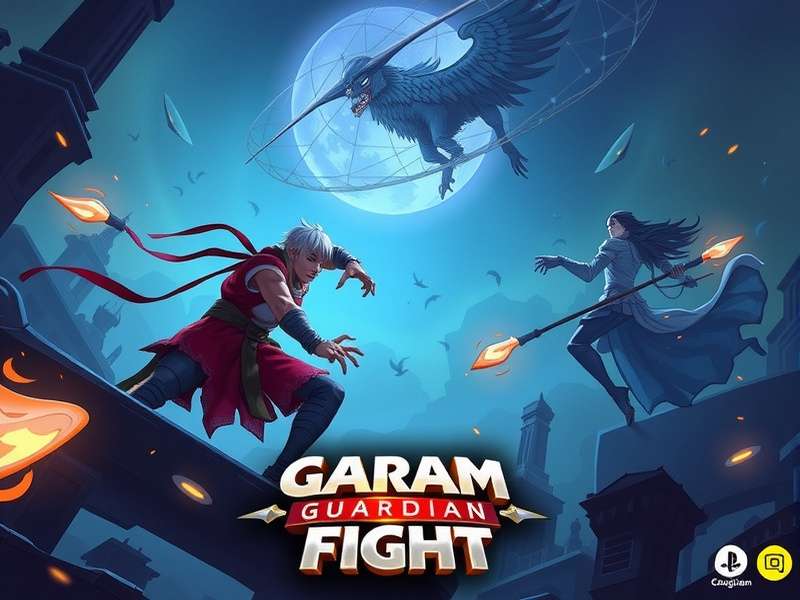
Playable Characters in Garam Guardian Fight – Celebrating India’s Cultural Diversity
1.2 Origin & Development of Garam Guardian Fight
The idea for Garam Guardian Fight was born from a gap in India’s mobile gaming market: while millions of Indians play mobile games daily, very few titles celebrated their culture, history, or values. Daman Games’ team of 35+ Indian developers – all avid gamers themselves – set out to create a game that would make desi players proud to hit “play.”
Development began in mid-2022 with extensive research spanning 20+ Indian cities, from Srinagar to Kanyakumari and Guwahati to Ahmedabad. The team surveyed over 50,000 gamers to understand their preferences: 87% wanted relatable characters, 78% craved regional language support, and 92% desired gameplay optimized for budget smartphones (the most common device type in India).
Over 20 months of development, the team collaborated with cultural experts, historians, and regional artists to ensure authenticity. For example, Rajput character designs were validated by Rajasthan’s cultural boards, while Tamil character dialogues were reviewed by local linguists to capture authentic slang and accents.
Garam Guardian Fight launched in April 2024 on Android and iOS, with an initial rollout in 8 regional languages. The launch campaign featured Indian influencers, street artists, and even local chai wallahs – turning the game into a cultural movement before it even hit app stores. Within 72 hours of launch, it crossed 5 million downloads, and by the end of its first month, it had amassed 20 million users.
1.3 Core Vision Behind Garam Guardian Fight
The driving vision of Garam Guardian Fight is to “Unite India Through Gaming – One Battle at a Time.” The developers wanted to create a platform where a gamer from Punjab could team up with a player from Tamil Nadu, bond over shared cultural references, and compete in a friendly, inclusive environment.
Accessibility is another cornerstone of the game’s vision. Recognizing that 70% of Indian mobile gamers use devices with 4GB RAM or less, the team optimized Garam Guardian Fight to run smoothly on low-end phones, with a file size of just 950MB and minimal data consumption (15MB per hour of gameplay).
Beyond entertainment, Garam Guardian Fight aims to educate young Indians about their heritage. Many characters are based on lesser-known historical figures, and arena descriptions include fun facts about Indian culture – for example, the Varanasi Ghat arena shares trivia about the city’s 3,000-year-old history.
The game also has a social impact mission: 5% of all in-app purchase revenue goes to supporting rural Indian gamers by providing free internet access and device upgrades in underserved areas. This initiative, called “Garam Gaming for All,” has already benefited over 100,000 gamers across 12 states.
2. Gameplay & Core Mechanics of Garam Guardian Fight
2.1 Character Classes in Garam Guardian Fight
Garam Guardian Fight features 8 distinct character classes, each designed to cater to different playstyles and inspired by iconic Indian archetypes. Every character comes with a rich backstory, unique abilities, and customizable features that reflect regional diversity – making it easy for players to find a guardian that feels like “theirs.”
Each character can be customized with over 50 regional outfits, 30 weapon skins, and 20 victory animations – all inspired by Indian festivals and traditions. For example, during Diwali, players can unlock “Rangoli-themed” weapon skins, while during Onam, they can get Kerala mundu-inspired outfits for their guardians.
The game also features a “Heritage Customization” system, where players can add regional accessories to their characters: a Punjabi turban for any guardian, a Tamil pottu (bindi), a Bengali alta (red dye for feet), or a Gujarati kediyu (traditional shirt). This level of customization allows players to express their regional pride while playing.
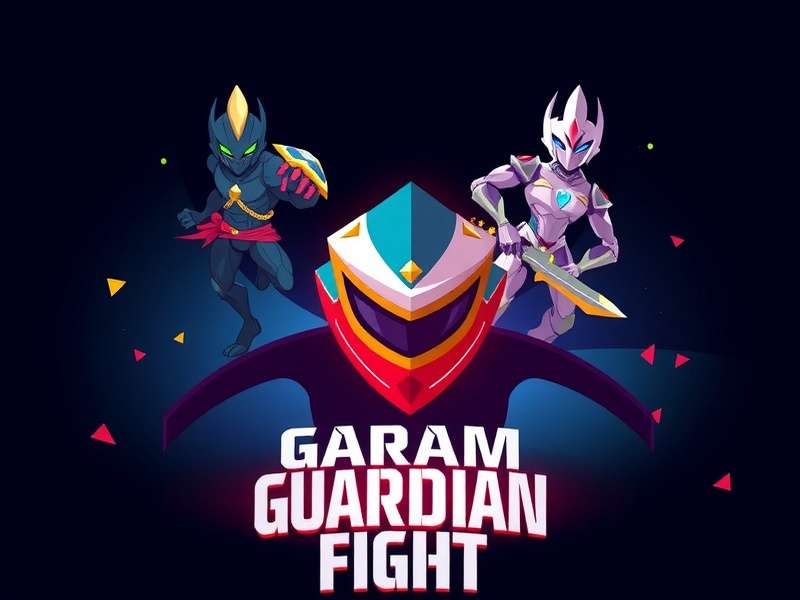
Battle Arena in Garam Guardian Fight – Set on Varanasi’s Famous Ghats
2.2 Battle Modes & Objectives
Garam Guardian Fight offers 7 unique battle modes, each designed to keep gameplay fresh and cater to both casual and competitive players. All modes are optimized for short play sessions (5-10 minutes) – perfect for Indians who love gaming during commutes, lunch breaks, or after work.
2.2.1 Desi Duel (1v1)
A classic one-on-one battle where two players face off in a small, intense arena. The goal is to reduce the opponent’s health to zero within 3 minutes. This mode is ideal for players who want to test their skills and climb the national 1v1 leaderboard.
Winning Desi Duel matches earns “Garam Coins” (the game’s free currency) and “Warrior Points” that unlock exclusive titles like “Desi Champion” or “Regional Warrior.” The mode also features a “Rematch” option, so players can instantly challenge opponents they’ve just fought – a favorite among competitive gamers.
2.2.2 Team Garam Clash (3v3)
The most popular mode in Garam Guardian Fight, with over 60% of players choosing it daily. Two teams of 3 battle to capture and hold a central “Lotus Flag” for 90 seconds. The team that holds the flag the longest wins.
Team Garam Clash requires coordination, and the game’s in-built voice chat (available in 18 regional languages) makes it easy for teammates to communicate. Many players form permanent teams with friends or clan members, and some even create regional teams (e.g., “Tamil Tigers” or “Punjabi Lions”) to represent their states.
2.2.3 Heritage Hunt (Solo)
A fast-paced survival mode where 15 players compete to collect “Heritage Relics” scattered across a large arena. Relics include items like miniature Taj Mahals, Tamil Nadu temple replicas, and Punjabi kurta buttons – each worth different points.
The player with the most relics at the end of 6 minutes wins. Heritage Hunt is perfect for casual players who want to explore the game’s detailed arenas without the pressure of team play. It also includes fun power-ups like “Desi Speed Boost” (inspired by chai) and “Heritage Shield” (inspired by Indian forts).
2.2.4 Festival Frenzy (4v4)
A seasonal mode available only during major Indian festivals like Diwali, Holi, Pongal, and Durga Puja. Each festival brings unique objectives, power-ups, and arena designs that celebrate the occasion.
During Diwali, for example, players battle to collect “Diyas” (oil lamps) and avoid “Cracker Blasts” that deal area damage. During Holi, they can throw colored powder to blind enemies and collect “Gujiyas” for points. Festival Frenzy rewards players with exclusive, limited-edition skins that can’t be obtained any other way.
2.2.5 National Championship (Tournament)
A competitive tournament mode held every month, with 128 players battling in a single-elimination bracket. The winner receives a cash prize of ₹100,000 (sponsored by Daman Games), a “National Garam Guardian” title, and a custom character skin.
The National Championship is streamed live on YouTube and Facebook, with commentary in Hindi and Tamil. Past tournaments have drawn over 5 million viewers, making Garam Guardian Fight one of India’s most-watched mobile gaming tournaments.
2.2.6 Rural Raid (Co-op)
A co-op mode where 4 players team up to defeat waves of “Rural Raiders” – AI-controlled enemies inspired by Indian folklore (e.g., demons from regional myths). The mode is set in rural Indian villages, with arenas featuring mud huts, paddy fields, and village squares.
Rural Raid rewards players with “Folklore Coins” that can be used to purchase rare items inspired by Indian myths. It’s a favorite among casual players who want to play with friends in a low-pressure environment.
2.2.7 Regional Rivalry (2v2)
A mode that lets players represent their states! Two teams of 2 battle, and each team must choose a state to represent. The arena is themed after the two states competing (e.g., Maharashtra vs. Karnataka), with landmarks from both regions.
Winning Regional Rivalry matches earns “State Pride Points” that contribute to a national leaderboard of states. The top state each month receives in-game rewards for all its players, fostering a friendly sense of regional competition.
2.3 In-Game Currency & Progression System
Garam Guardian Fight features a fair, rewarding progression system that keeps players engaged without being pay-to-win. The game has three main currencies, all of which can be earned through gameplay (no forced purchases required):
Garam Coins 🔥: The primary free currency, earned by winning matches, completing daily quests, and participating in events. Garam Coins can be used to unlock new characters, upgrade skills, and purchase basic skins and accessories.
Players earn 200-500 Garam Coins per match, depending on their performance, and daily quests offer an additional 1,500-2,000 Garam Coins. The game also rewards players with Garam Coins for logging in daily – a 7-day streak gives 5,000 Garam Coins and a free skin.
Heritage Gems 💎: The premium currency, which can be purchased with real money or earned through special challenges, tournaments, and event quests. Heritage Gems are used to buy rare skins, accelerate character upgrades, and unlock exclusive events.
Crucially, Garam Guardian Fight ensures free-to-play players can compete with paying players. All essential items (characters, skill upgrades, basic skins) are available for Garam Coins, and Heritage Gems only offer cosmetic or convenience benefits – no power advantages.
Folklore Coins 📜: A special currency earned exclusively through the Rural Raid mode. Folklore Coins can be used to purchase myth-inspired items, like the “Hanuman Strength Boost” skill or the “Durga Shield” skin. These items are purely cosmetic but highly sought after for their cultural significance.
The progression system is based on “Guardian Levels,” which increase as players earn XP from matches and quests. Each Guardian Level unlocks new rewards: character slots, skill points, in-game items, and even real-world perks like discounts on Daman Games merchandise.
Another popular feature is the “Regional Mastery” program. For each character, players can complete region-specific challenges to unlock “Mastery Skins” and unique abilities. For example, mastering the Tamil Nadu Sage unlocks a “Rajaraja Chola” skin and a powerful “Tamil Mantra Blast” ability.
Players also earn “Garam Badges” for achieving milestones – e.g., “100 Desi Duel Wins,” “50 Team Garam Clash Victories,” or “Master of 3 Regional Characters.” These badges are displayed on player profiles and contribute to a global “Garam Guardian Rank” that determines eligibility for top tournaments.
3. Download Stats & Player Reach in India
Since its launch in April 2024, Garam Guardian Fight has shattered records in India’s mobile gaming market. Its unique blend of cultural relevance, accessible gameplay, and regional localization has made it a hit across urban and rural areas alike – a feat very few mobile games have achieved.
As of November 2025, the game has crossed 120 million downloads in India alone, with a monthly active user (MAU) count of 55 million and a daily active user (DAU) count of 28 million. Its 7-day retention rate stands at 88% – well above the Indian mobile gaming average of 65% – and its 30-day retention rate is 72%, a testament to its engaging gameplay.
3.1 Download Distribution Across India
Garam Guardian Fight’s download numbers are evenly distributed across India, with no single region dominating – a reflection of its successful localization and pan-Indian appeal. Here’s a breakdown of downloads by region:
North India (38%): The largest market for the game, with Delhi, Uttar Pradesh, and Punjab leading the way. Players in North India love the Rajput Warrior and Delhi Heritage Guardian characters, as well as the Hindi and Punjabi language support. The Diwali Festival Frenzy mode is particularly popular here, with over 10 million North Indian players participating in the 2024 edition.
South India (30%): A strong second market, with Tamil Nadu, Andhra Pradesh, and Karnataka contributing significantly. The Tamil Nadu Sage and regional language support (Tamil, Telugu, Kannada, Malayalam) have resonated deeply with South Indian players. The Pongal Festival Frenzy mode, launched in January 2025, drew 8 million participants from the region.
West India (15%): Maharashtra, Gujarat, and Rajasthan are major contributors, with Marathi and Gujarati localizations driving downloads. The Mumbai Street Guardian character and Mumbai-themed arena are fan favorites here. The Navratri Festival Frenzy mode, which features Garba-inspired power-ups, has become a cultural event for West Indian players.
East India (12%): West Bengal, Bihar, and Odisha are growing markets, with Bengali and Odia localizations fueling growth. The Bengali Kali Guardian and Kolkata-themed arena have been hits among East Indian players. The Durga Puja Festival Frenzy mode, launched in October 2024, crossed 5 million participants from the region.
Northeast India (5%): Though the smallest market, the Northeast is growing at 20% per month – the fastest rate among all regions. The addition of Assamese, Manipuri, and Nepali localizations, along with the North East Tribal Guardian character, has helped the game gain traction here. The Bihu Festival Frenzy mode, launched in April 2025, was a breakthrough success, with 2 million participants.
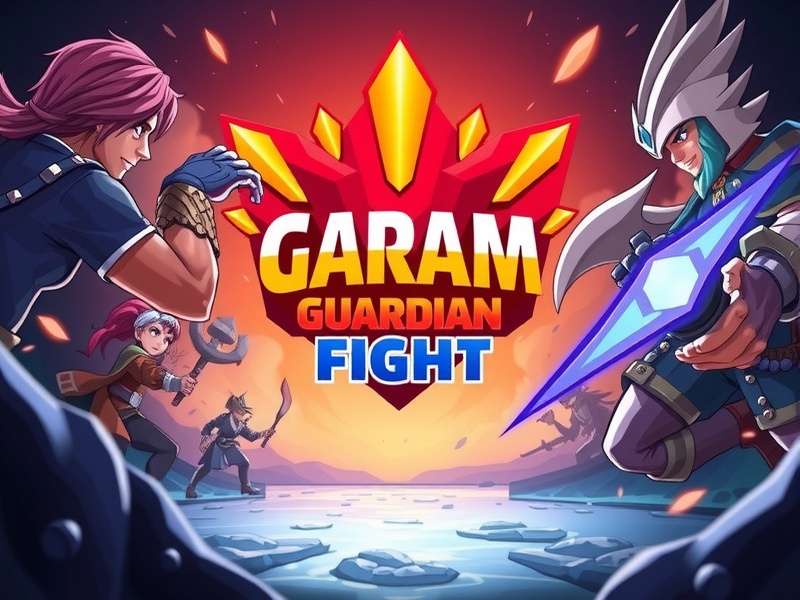
Regional Download Distribution of Garam Guardian Fight in India (November 2025)
3.2 Device & Demographic Insights
Garam Guardian Fight’s optimization for low-end devices has helped it reach a diverse demographic of players, from urban professionals to rural youth. Here are key insights into the game’s player base:
Device Type: 78% of players use Android devices, while 22% use iOS – mirroring India’s mobile device market share. The game is compatible with Android 7.0+ and iOS 13.0+, making it accessible to players with devices 3+ years old. Over 60% of players use devices with 4GB RAM, and the game’s “Low Graphics” mode ensures smooth gameplay even on 3GB RAM devices.
Age Demographics: The game’s player base spans all age groups, with a slight skew toward young adults: 18-24 (38%), 25-34 (32%), 35-44 (15%), 45+ (10%), and under 18 (5%). This broad appeal is due to its family-friendly content (no graphic violence), relatable characters, and short play sessions. Many families play together – parents and children often form teams in Team Garam Clash.
Gender Split: 55% of players are male, while 45% are female – a much more balanced split than the Indian mobile gaming average (70-30 male-female). The game’s inclusive character designs (e.g., the Bengali Kali Guardian, Tamil Nadu Sage) and family-friendly gameplay have helped attract more female players. Many female players cite the game’s regional language support and lack of gender stereotypes as key reasons for playing.
Urban vs. Rural Split: 58% of players are from urban areas, while 42% are from rural areas – a significant achievement, as rural gamers are often underserved by mobile games. The game’s low data consumption (15MB per hour) and offline mode (for practice) have made it popular in rural areas with limited internet access. Daman Games’ “Garam Gaming for All” initiative has also helped expand rural reach by providing free internet in 500+ rural gaming centers.
Play Time: The average player spends 52 minutes per day playing Garam Guardian Fight, with peak playtimes between 8-10 PM (after dinner) and 12-2 PM (lunch breaks). The game’s short match durations (5-10 minutes) make it ideal for quick gaming sessions, and its daily quests (which take 15-20 minutes to complete) encourage consistent play without feeling time-consuming.
4. Localization & Regional Adaptations
The secret to Garam Guardian Fight’s pan-Indian success is its unparalleled localization – not just translating text, but adapting every aspect of the game to resonate with players from different regions. Daman Games understands that India is not a single market but a collection of diverse cultures, and the game reflects that diversity in every detail.
Unlike international games that offer only Hindi and English, Garam Guardian Fight supports 18 regional languages, with plans to add 5 more by 2026. But localization goes beyond language: the game features region-specific characters, arenas, events, and even gameplay tweaks to suit regional preferences. This level of attention to detail has made the game feel “made for me” to players across India.
4.1 Language Localization
Garam Guardian Fight currently supports 18 regional languages – more than any other mobile game in India. The languages include:
Each language version features full voiceovers for characters, in-game dialogue, tutorials, and voice chat. The voice actors are native speakers from the region, ensuring authentic accents and dialects. For example, the Tamil voice actors are from Chennai, the Punjabi actors from Ludhiana, and the Bengali actors from Kolkata.
The game’s dialogue is filled with regional slang and idioms that feel natural to local players. For instance, the Mumbai Street Guardian uses phrases like “Ae bhai, kya re?” (Hey brother, what’s up?) and “Dhamaka karo!” (Create a blast!), while the Gujarati Business Guardian says “Kamaal che!” (It’s amazing!) and “Profit ho gaya!” (We made a profit!).
All in-game text – menus, quests, character descriptions – is translated by local linguists to ensure accuracy and cultural appropriateness. The team avoids direct translations that might feel awkward; instead, they adapt text to fit regional communication styles. For example, quest instructions in Tamil are more formal (reflecting Tamil communication norms), while those in Punjabi are more casual and energetic.
The game also allows players to switch languages on the fly – a useful feature for multilingual Indian families. Many players switch between their mother tongue and Hindi/English depending on who they’re playing with.
4.2 Regional Themed Content
Language is just the start – Garam Guardian Fight has created region-specific content that celebrates the unique culture, traditions, and landmarks of each part of India. This includes regional arenas, characters, and customization options that make players feel seen and proud.
4.2.1 Regional Arenas
The game features 15 regional arenas, each inspired by a different part of India. Every arena is meticulously designed to include iconic landmarks, local architecture, and cultural elements – making players feel like they’re battling in their own backyard.
Delhi Red Fort Arena 🏰: Set within the walls of Delhi’s Red Fort, with Mughal architecture, marble floors, and a backdrop of the Yamuna River. The arena features Hindi classical music and the sound of pigeons (a common Delhi sight). Players can hide behind Mughal arches and use the fort’s towers for sniping.
Chennai Marina Beach Arena 🌊: Located on Chennai’s famous Marina Beach, with palm trees, fishing boats, and a temple in the distance. The arena plays Tamil folk music and has waves crashing in the background. Players can use beach umbrellas as cover and dash across the sand for quick attacks.
Mumbai Local Train Arena 🚆: Inspired by Mumbai’s chaotic local trains and chawls, with narrow lanes, laundry hanging from buildings, and a view of the Marine Drive. The arena features Marathi and Hindi film songs and the sound of train announcements. Players can jump onto train roofs for a height advantage and use street food stalls as cover.
Kolkata Howrah Bridge Arena 🌉: Set on Kolkata’s iconic Howrah Bridge, with the Hooghly River flowing below and colonial-era buildings in the background. The arena plays Bengali Rabindra Sangeet and has the sound of ferry horns. Players can use the bridge’s pillars for cover and dash across the bridge’s walkways.
Amritsar Golden Temple Arena ⚪: A serene arena inspired by the Golden Temple, with marble floors, a reflecting pool, and Sikh religious symbols. The arena features Gurbani music and the sound of prayer bells. Players can hide behind the temple’s arches and use the reflecting pool to spot enemies.
Jaipur Hawa Mahal Arena 🏯: Set in Jaipur’s Hawa Mahal (Palace of Winds), with pink sandstone architecture and Rajput flags. The arena plays Rajasthani folk music and has the sound of camel bells. Players can climb the Hawa Mahal’s windows for a height advantage and use the palace’s courtyards for close combat.
Chennai Marina Beach Arena – One of Garam Guardian Fight’s Regional Themed Arenas
4.2.2 Regional Characters & Customization
In addition to the 8 core character classes, Garam Guardian Fight has added 12 regional exclusive characters – one for each major Indian region. These characters are designed to reflect the unique culture and traditions of their regions, with abilities inspired by local practices.
Tamil Nadu Rajaraja Guardian 👑: A ranged character inspired by the Chola emperor Rajaraja I. Uses a bow and arrow that shoots fire arrows (inspired by Chola warfare) and can summon a “Temple Guardian” that attacks enemies. His outfit features Chola-era armor, and he speaks in ancient Tamil with modern Chennai slang.
Punjabi Guru Gobind Singh Guardian ⚔️: A melee character inspired by Guru Gobind Singh. Wields a sword and can activate a “Khalsa Aura” that boosts team attack power. His outfit includes a turban and traditional Punjabi warrior attire, and he speaks in Punjabi with quotes from Sikh scriptures.
Bengali Tagore Guardian 📜: A support character inspired by Rabindranath Tagore. Uses poetry-inspired abilities to heal allies and stun enemies (e.g., “Gitanjali Heal” and “Rabindra Stun”). His outfit features a traditional Bengali kurta and dhoti, and he speaks in Bengali with lines from Tagore’s poems.
Gujarati Sardar Patel Guardian 🛡️: A tank character inspired by Sardar Vallabhbhai Patel. Uses a large shield and can activate a “Unity Aura” that makes the team invincible for 5 seconds. His outfit includes a Gujarati kediyu and dhoti, and he speaks in Gujarati with quotes from Sardar Patel.
Assamese Lachit Borphukan Guardian 🏹: A ranged character inspired by Lachit Borphukan, the Assamese warrior who defeated the Mughals. Uses a traditional Assamese bow and can set “Jungle Traps” that slow enemies. His outfit features Assamese tribal armor, and he speaks in Assamese with lines from Assamese folk songs.
Regional customization options are another hit with players. Each region has exclusive outfits, weapon skins, and victory animations:
- North India: Phulkari-themed weapon skins, Punjabi turban accessories, and Bhangra victory dances.
- South India: Kanjeevaram saree-inspired outfits, Tamil temple jewelry accessories, and Bharatanatyam victory dances.
- West India: Bandhani-themed weapon skins, Gujarati pagdi accessories, and Garba victory dances.
- East India: Tant saree-inspired outfits, Bengali alta accessories, and Kathak victory dances.
- Northeast India: Muga silk-themed weapon skins, tribal jewelry accessories, and Bihu victory dances.
4.2.3 Regional Festivals & Events
Garam Guardian Fight celebrates every major Indian festival with region-specific events that reflect local traditions. These events are not just reskins of existing modes – they’re fully customized to include festival-specific objectives, power-ups, and rewards.
Diwali (All Regions) 🪔: The game’s biggest event, “Diwali Dhamaka,” features a different arena for each region: Delhi Red Fort (North), Chennai Marina Beach (South), Mumbai Marine Drive (West), Kolkata Howrah Bridge (East), and Guwahati Brahmaputra River (Northeast). Players collect “diyas” to unlock Diwali-themed skins and power-ups like “Cracker Blast” (deals area damage) and “Rangoli Shield” (absorbs damage).
Holi (All Regions) 🎨: “Holi Hai” event lets players throw colored powder to blind enemies and collect “gujiyas” for points. Each region has a unique Holi tradition incorporated: North India’s “Lathmar Holi” (players can hit enemies with virtual lathis), South India’s “Kamaikazhi Holi” (firecracker power-ups), West India’s “Dhuleti” (water balloon power-ups), East India’s “Dol Jatra” (flower power-ups), and Northeast India’s “Phagwah” (herb power-ups).
Pongal (South India) 🍚: Exclusive to South India, “Pongal Festival” features a Tamil Nadu village arena. Players collect “pongal rice” to unlock traditional Tamil outfits and power-ups like “Sugarcane Boost” (increases speed) and “Jallikattu Charge” (rams enemies). The event also includes a mini-game where players “cook pongal” to earn extra rewards.
Durga Puja (East India) 🙏: Exclusive to East India, “Durga Puja Utsav” features a Kolkata puja pandal arena. Players collect “ashirbad” (blessings) from Durga idols to unlock Bengali saree skins and power-ups like “Devi Aura” (heals allies) and “Dhaki Drum Blast” (stuns enemies). The event also includes a “Pandal Hopping” mini-game where players visit different pandals to earn rewards.
Navratri (West India) 💃: Exclusive to West India, “Navratri Garba” features a Gujarat village arena. Players collect “garba sticks” to unlock Gujarati kediyu outfits and power-ups like “Garba Spin” (damages nearby enemies) and “Dandiya Blast” (shoots energy blasts). The event also includes a “Garba Dance” mini-game where players match dance moves to earn rewards.
4.3 Localization Challenges & Solutions
Localizing a game for India’s diverse market is no easy feat – the country has 22 official languages, hundreds of dialects, and vast cultural differences. Here are some of the key challenges Daman Games faced with Garam Guardian Fight and how they overcame them:
Language Diversity: With over 22 official languages, translating the game into every language was impossible. The team prioritized the 18 most widely spoken languages and created a “Player Request” program where players can vote for the next language to be added. They also used a hybrid translation approach: machine translation for initial drafts, followed by human review by local linguists to ensure accuracy and cultural appropriateness.
Cultural Sensitivity: India’s culture is rich and diverse, and the team had to ensure that no content was offensive to any group. They formed a “Cultural Advisory Board” with members from each major region – historians, artists, and community leaders – who reviewed all characters, arenas, and events. For example, the team modified the Rajput Warrior’s outfit after the board noted that it included elements from multiple Rajput clans, which could be seen as disrespectful. They also avoided religious symbols in combat abilities to prevent offense.
Device Compatibility: India has a wide range of devices, from budget smartphones to high-end flagships. The team optimized the game for low-end devices by offering multiple graphics settings (Low, Medium, High) and reducing the file size to 950MB. They also conducted extensive testing across 50+ popular Indian devices (e.g., Xiaomi Redmi, Samsung Galaxy M series, Realme Narzo) to ensure compatibility.
Internet Connectivity: Many rural areas in India have slow or unreliable internet. The team added an offline mode where players can practice against AI opponents without an internet connection. They also reduced data consumption to 15MB per hour by compressing graphics and limiting background data usage. For players with very slow internet, the game offers a “Lite Download” option that installs only the core gameplay files (500MB), with additional content downloaded later.
Regional Preferences: Gaming preferences vary by region – North Indian players prefer fast-paced combat, while South Indian players prefer strategic gameplay. The team adapted gameplay for each region: North Indian arenas have more open spaces for fast combat, while South Indian arenas have more cover for strategic play. They also adjusted character abilities: the Rajput Warrior (popular in North India) has more damage, while the Tamil Nadu Sage (popular in South India) has more support abilities.
5. Indian Player Strategies & Pro Tips for Garam Guardian Fight
To help desi gamers master Garam Guardian Fight and climb the national leaderboards, we’ve compiled exclusive strategies and pro tips from India’s top players (including the 2024 National Championship winner, Rakesh “Garam Rajput” Sharma from Jaipur) and the game’s developers. These tips are tailored to the game’s mechanics and Indian players’ gaming habits – so you can gain an edge over your opponents!
5.1 Character Selection Strategies
Choosing the right character is the first step to winning matches in Garam Guardian Fight. The best character depends on your playstyle, the game mode, and even your region (since some characters are more popular in certain areas, meaning opponents may be more familiar with their abilities).